Archives
- 2025-12
- 2025-11
- 2025-10
- 2025-09
- 2025-03
- 2025-02
- 2025-01
- 2024-12
- 2024-11
- 2024-10
- 2024-09
- 2024-08
- 2024-07
- 2024-06
- 2024-05
- 2024-04
- 2024-03
- 2024-02
- 2024-01
- 2023-12
- 2023-11
- 2023-10
- 2023-09
- 2023-08
- 2023-07
- 2023-06
- 2023-05
- 2023-04
- 2023-03
- 2023-02
- 2023-01
- 2022-12
- 2022-11
- 2022-10
- 2022-09
- 2022-08
- 2022-07
- 2022-06
- 2022-05
- 2022-04
- 2022-03
- 2022-02
- 2022-01
- 2021-12
- 2021-11
- 2021-10
- 2021-09
- 2021-08
- 2021-07
- 2021-06
- 2021-05
- 2021-04
- 2021-03
- 2021-02
- 2021-01
- 2020-12
- 2020-11
- 2020-10
- 2020-09
- 2020-08
- 2020-07
- 2020-06
- 2020-05
- 2020-04
- 2020-03
- 2020-02
- 2020-01
- 2019-12
- 2019-11
- 2019-10
- 2019-09
- 2019-08
- 2019-07
- 2019-06
- 2019-05
- 2019-04
- 2018-11
- 2018-10
- 2018-07
-
The interferences between thapsigargin and forskolin induced
2021-02-25
The interferences between thapsigargin- and forskolin-induced Ca release indicate that these drugs deplete the same intracellular stores in RASMC. In fact, after partial depletion of thapsigargin-sensitive stores, the forskolin-induced increases in [Ca]c were significantly reduced. Similarly, a prev
-
Here we explored the relative contribution of D
2021-02-25
Here we explored the relative contribution of D1-like and D2-like receptor subtypes in the control of glutamate release, as well as their pharmacological properties and their interactions modulating the release. The pharmacological parameters (EC50 and Emax) of dopamine for the different types of re
-
br Material and methods br
2021-02-25
Material and methods Results and discussion Conclusions Acknowledgements S. De thanks DST, New Delhi for generous grant of the SERC Fast Track Scheme No. SR/FT/CS-057/2008. R. Kundu thanks the University of Kalyani for financial assistance. We are grateful to Prof. K. Bhattacharyya of IA
-
br Author Contributions br Acknowledgments br Introduction M
2021-02-25
Author Contributions Acknowledgments Introduction Many anticancer agents bind covalently to DNA, introduce bulky adducts, and inhibit DNA metabolic processes including repair, replication and transcription.1., 2., 3. Frequently, the first enzymes to encounter DNA adducts are DNA helicases.
-
We also determined the uracil content of
2021-02-24
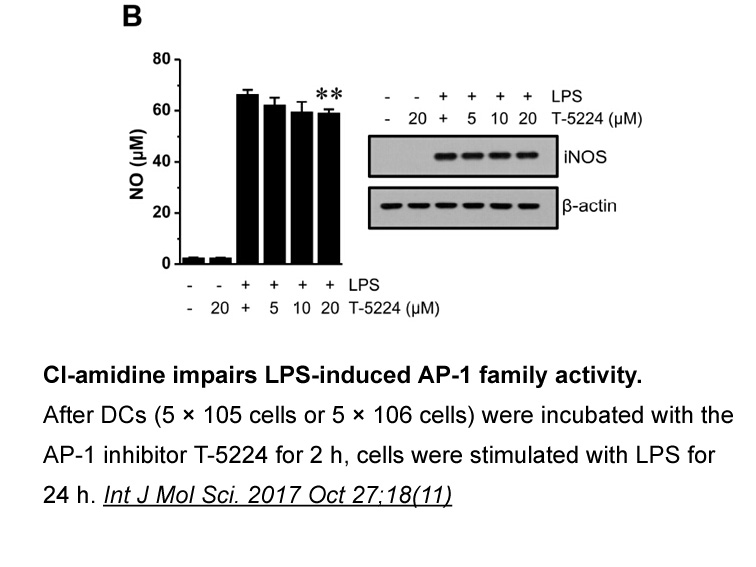
We also determined the uracil content of CJ236 DNA by thin-layer chromatography of in vivo32P- or [6-3H]uracil-labeled CJ236 2′-deoxyribose 5′-monophosphates as well as by LC/MS of deoxyuridine and thymidine 2′-deoxynucleosides (Table 1, Table 2, Table 3). Examination of the 32P data showed that, ba
-
br Future direction and conclusion br Conflict of
2021-02-24

Future direction and conclusion Conflict of interest References and recommended reading Papers of particular interest, published within the period of review, have been highlighted as: Introduction Colony stimulating factor-1 (CSF-1; also referred to as the macrophage-colony stimulating
-
br Prostaglandin D PGD is
2021-02-24
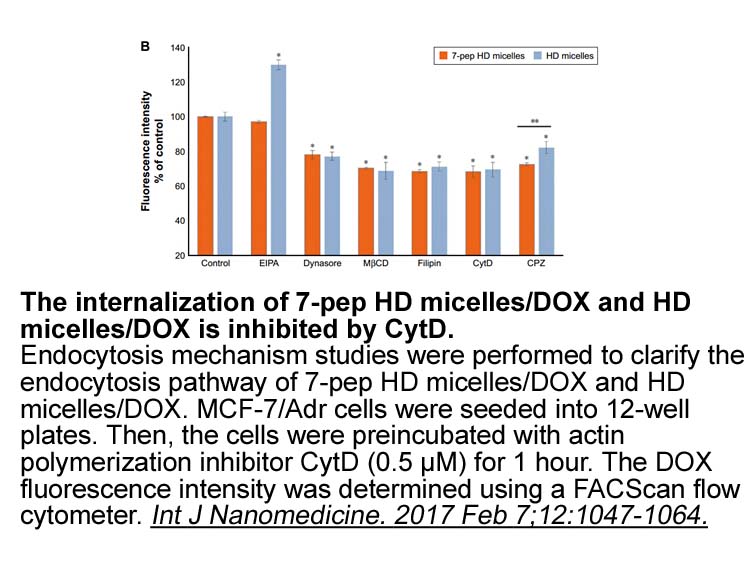
Prostaglandin D (PGD) is derived from the metabolism of arachidonic Beta-Lapachone synthesis by cyclooxygenases and downstream PGD synthases. In the immune system, PGD is mainly produced by mast cells but also although at lower levels, by macrophages and Th2 lymphocytes. PGD binds to three differ
-
A recent report has shown that
2021-02-24
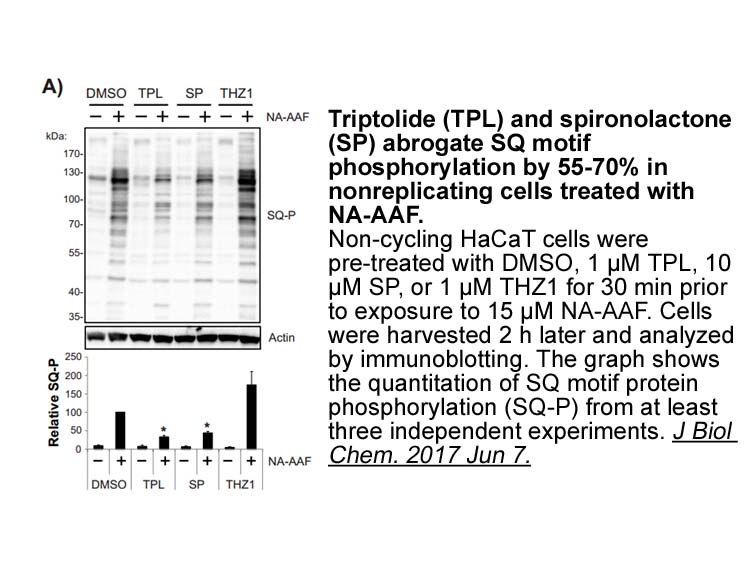
A recent report has shown that C. elegans homozygous for a point mutation within the HORMA domain of HTP-1 (M127K), which disrupts its association with chromosome axes, displayed an extended zone of PLK-2 localization to PCs in response to asynapsis (Silva et al., 2014), which, as we show here, is a
-
During the past decade it became increasingly clear that the
2021-02-24
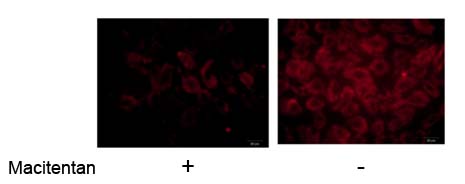
During the past decade, it became increasingly clear that the affinity and efficacy of small agonists acting on the orthosteric binding site of a GPCR can be modulated by ligands that bind to a topographically distinct (allosteric) binding site on the same GPCR molecule 33, 39, 40, 41, 42. This allo
-
Introduction Glucose is the major carbon source
2021-02-24
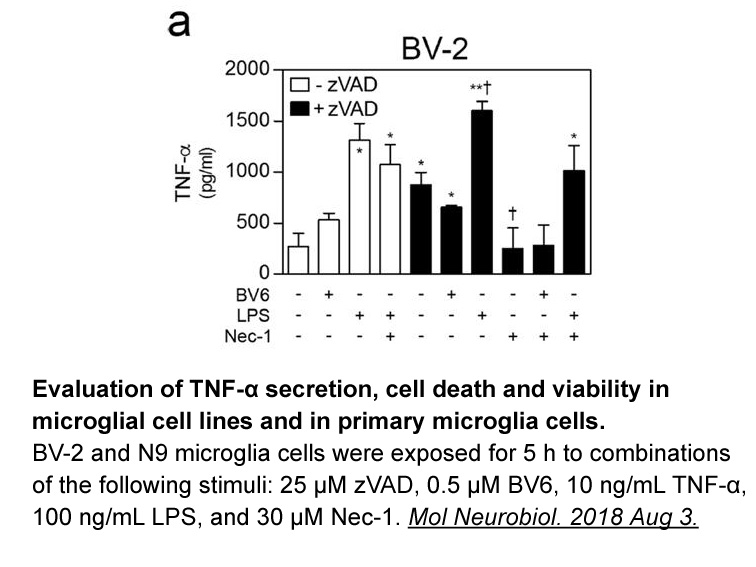
Introduction Glucose is the major carbon source in most organisms. Cancer MJ33 lithium salt in particular require a steady source of energy to maintain growth and proliferation, and preferentially use glycolysis for their energy supply even under aerobic conditions. Glucose uptake in mammals is ma
-
pramipexole dihydrochloride br Conflict of interest br Ackno
2021-02-24
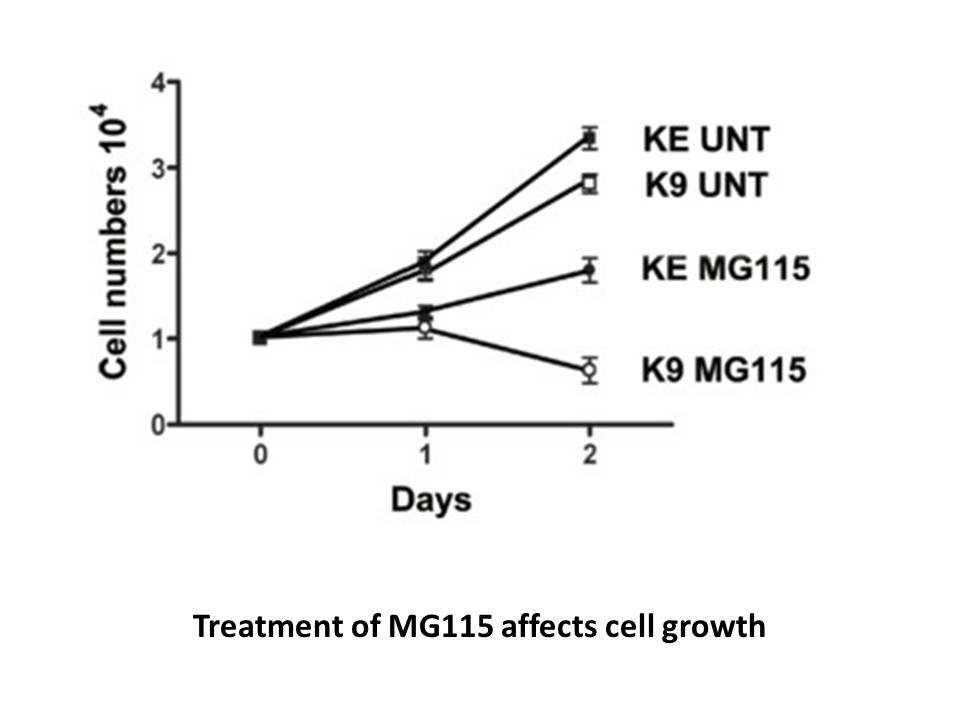
Conflict of interest Acknowledgements We wish to thank Arantza Pérez (University of the Basque Country) for her technical contribution to this study. This work was supported by grants from the Jesús Gangoiti-Barrera Foundation, Gobierno Vasco (GIC07/84), MEC () and SAIOTEK (SA-2008/00046).
-
br Discussion Nowadays data of uncommon EGFR
2021-02-24

Discussion Nowadays, data of uncommon EGFR mutations are limited, considering that patients carrying these rare alterations are usually excluded from clinical trials. Available survival data of activity of EGFR TKIs on this class of mutations, coming from a small number of usually retrospective s
-
In contrast to inflammatory cytokines TGF has immunosuppress
2021-02-24
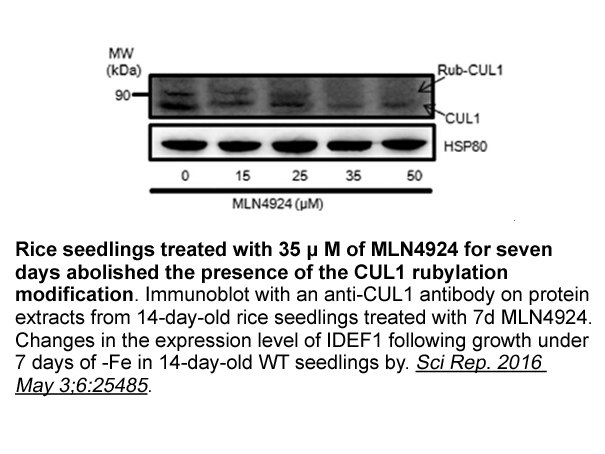
In contrast to inflammatory cytokines, TGF-β has immunosuppressive properties yet is also important for tissue imprinting immune cell function during development [23]. Salivary gland (SG) ILCs, in addition to liver and intestinal intraepithelial ILC1, express markers denoting tissue residency and TG
-
Addressing whether impaired activation of D
2021-02-24
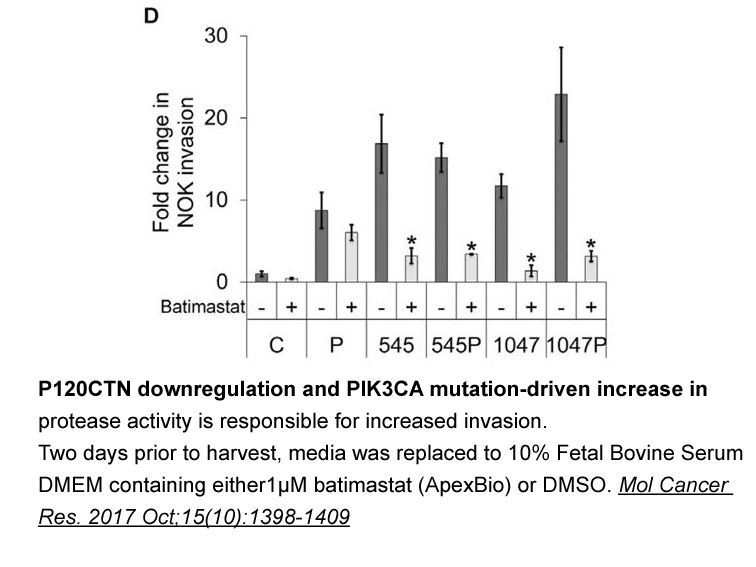
Addressing whether impaired activation of D1 and D2 receptors regulates memory capacity is relevant for all human pathologies that lead to reduced activation of these Tenovin-3 receptor pathways, such as ageing [39], certain genetic polymorphisms [40] and neurodegenerative disorders. In this study,
-
Isochlorogenic acid C Here we uncover a highly
2021-02-24
Here we uncover a highly diverse superfamily of self-replicating MGEs, dubbed pipolins, which are present in three major bacterial phyla, as well as in mitochondria, and encode divergent PolB carrying TPR1 and TPR2 subdomains. Biochemical characterization of a representative enzyme encoded by a pipo
15849 records 682/1057 page Previous Next First page 上5页 681682683684685 下5页 Last page